Understanding Car Accident Claims
Introduction
Car accidents are an unfortunate reality of modern life. Understanding how car accident law firms work is essential for anyone involved in an accident to ensure they receive the compensation they deserve. This article aims to break down the complex process into manageable sections, addressing common questions and concerns.
What is the Process for Filing a Car Accident Claim?
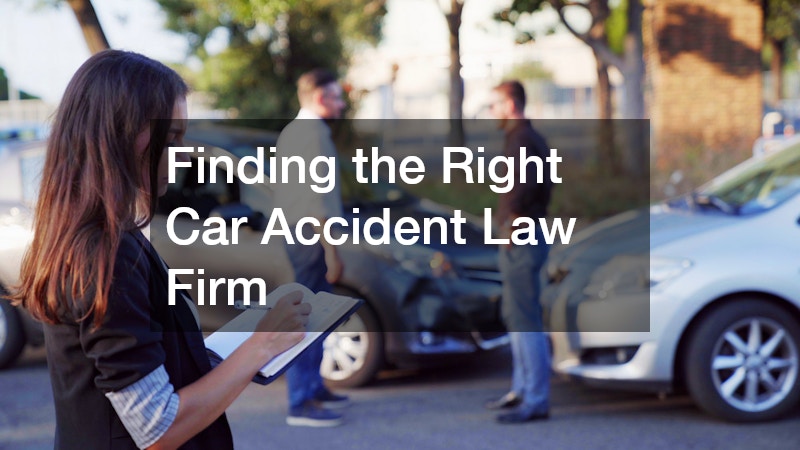
Filing a car accident claim requires a methodical approach to ensure all necessary steps are taken correctly. Initially, one must report the accident to the local authorities if significant damage or injury has occurred, which often results in a police report. Furthermore, it’s essential to inform your insurance company as soon as possible to start the claim process officially.
The process of collecting required evidence and documentation such as photos of the accident scene, contact information of involved parties, and medical records should commence immediately after the incident. This documentation plays a crucial role in substantiating the claim and provides tangible proof of the circumstances and the impact of the accident. Having such meticulous records can greatly enhance the credibility of your claim.
After gathering all pertinent proof, the next step involves completing the necessary paperwork for the insurance claim. This may include forms provided by your insurance company or legal documents needed in some jurisdictions, depending on the accident’s complexity and severity. Ensuring these forms are filled out accurately and submitted promptly is vital to move the claim forward expediently.
How is Fault Determined in Car Accident Claims?
The Role of Insurance Adjusters
Determining fault in a car accident is a critical aspect of processing a claim, and insurance adjusters play an essential role in this task. They conduct thorough investigations by reviewing all available evidence, including police reports, photographs, and testimonies, to establish the sequence of events leading up to the accident. Their goal is to ascertain who bears the responsibility for the incident and the extent of damages incurred.
Often, the laws concerning fault determination vary by jurisdiction, impacting how claims get processed and who is financially responsible for covering damages. While some areas operate under a “no-fault” system where each party’s insurance covers their own losses, others follow the “at-fault” approach. Therefore, understanding the legal landscape of your region is particularly important when it comes to navigating these waters.
Additionally, the evidence supported by insurance adjusters is not the only factor in determining fault; witness statements can also critically influence the outcome. Neutral bystanders’ observations can often shed light on suspicious aspects or misinterpretations of the accident’s events. Thus, gathering and presenting all possible evidence is crucial for clarifying liability.
Understanding the intricacies of car accident claims can significantly impact the outcome of the case. By being informed about the filing process and how fault is determined, individuals can better navigate the aftermath of an accident and ensure fair compensation. Furthermore, staying abreast of any updates in local insurance laws can help in securing a more favorable claim outcome.
It’s essential for vehicular accident victims to be proactive about learning their rights and responsibilities after an incident. With the assistance of field experts like legal advisors or insurance representatives, claimants can optimize their outcomes via strategic action. Informed decisions often lead to more satisfying, even if sometimes arduous, journeys toward restitution.
Ultimately, the knowledge gained from understanding car accident claims helps alleviate the stress and confusion associated with such events. Clear insight into the claim filing process and fault determination methods equips individuals with the tools necessary to ensure justice and adequate compensation. Preparation and awareness are indeed key components in successfully resolving auto-related disputes.